

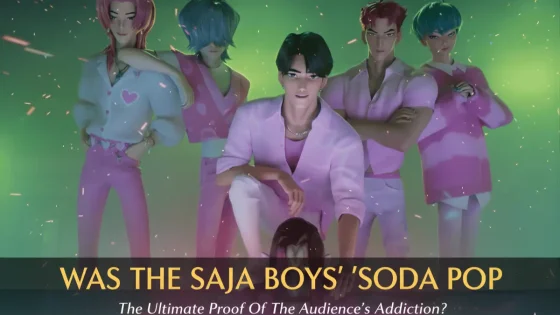
In the meticulously crafted world of KPop Demon Hunters, every kpop song is a weapon. The final, fatal blow delivered by the Saja Boys was through the sophisticated, hypnotic manipulations embedded in their anthem, ‘Your Idol.’ But before they could deliver that dark message of submission, they needed the perfect camouflage—a track so seemingly innocent, so universally appealing, that it would disarm the audience and lure them into the trap.
That track was ‘Soda Pop.’
With its bubbly title and catchy K-Pop energy, ‘Soda Pop’ appears to be nothing more than a simple, cheerful opening number for the rival boy band, led by the enigmatic Jinu. Yet, its deceptive simplicity is its ultimate danger. Why would the Demon King Gwi-Ma, master strategist of the demon realm, invest in a song named after a sugary drink?
We are diving deep into the psychology of ‘Soda Pop,’ analyzing the chilling contradiction between the song’s title and the Saja Boys’ malevolent goal. This sweet, effervescent track was not just a hit; it was the subtle, strategic proof that the audience was already addicted to submission, ready to be consumed by the darkness hidden beneath the kpop demon hunters songs your idol phenomenon.
the Saja Boys
I. The Camouflage of Sweetness: Why ‘Soda Pop’ Was the Perfect Lure
The entire strategy of the Saja Boys was built on the premise that they must steal the KPop Demon Hunters’ fanbase to destroy the Honmoon shield. To do this, they needed an aesthetic and a sound that could infiltrate the heart of K-Pop fandom quickly and completely.
The Innocence of the Title: Disarming the Audience
The title ‘Soda Pop’ is pure, unadulterated marketing genius. It evokes youth, fun, and easy pleasure. It contrasts sharply with the high-stakes themes of Rumi’s struggle with her demonic patterns or the aggression of Huntrix’s counter-anthem, ‘Takedown.’
-
Low Emotional Investment: ‘Soda Pop’ asks nothing of the listener except simple enjoyment. Unlike the rumi song ‘Golden,’ which demands self-reflection and adherence to unattainable standards, the Saja Boys offer a track that is easy to consume, requiring no emotional labor.
-
The Immediate Hit: The goal of the song was to achieve immediate, addictive virality. The sheer popularity of tracks like ‘Soda Pop’ ensured that the Saja Boys became the dominant topic in the fan community, diverting attention away from the rumi zoey mira trinity’s actual, world-saving mission. This aesthetic dominance fuels searches for kpop demon hunters wallpaper featuring the Saja Boys and kpop demon hunters saja boys merchandise.
This initial success proved that the fans were already susceptible to a fast, powerful fix—the very nature of addiction.
The Aesthetics of Deception: Jinu’s Outfit and the Trap
The visual presentation of Jinu and the Saja Boys during the ‘Soda Pop’ era was designed to be magnetically appealing while hiding their demonic nature.
-
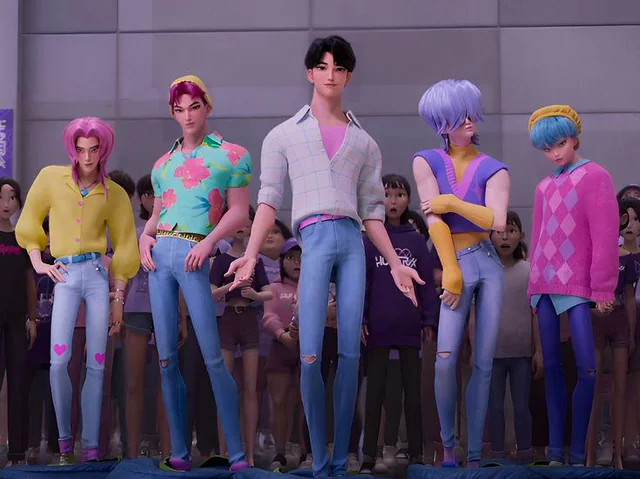
The Sweet Look: The Saja Boys outfits, often referenced in fan art and jinu outfit idol searches, were visually pristine and flawless. This perfection contrasted with the raw, strained energy of Huntrix, who were wrestling with internal conflicts.
-
The Trap Made Material: The innocence of the outfits and the fun choreography masked the sinister purpose of Jinu’s mission—to achieve memory erasure by destroying Rumi’s voice. Fans looking for kpop demon hunters jinu outfit soda pop styles are unknowingly referencing the camouflage of the ultimate psychological attack.
The entire track was a sugary injection designed to bypass the critical thinking of the audience, preparing them for the later, more damaging psychological assault.
II. The Thematic Premise: Soda Pop as the Symbol of Addiction
The juxtaposition of the harmless title ‘Soda Pop’ against the demonic plot is the brilliant thematic heart of the Saja Boys’ strategy. The song doesn’t just entertain; it metaphorically represents the addiction to external validation that Gwi-Ma preyed upon.
The Addiction to the Idol
The Honmoon shield weakens when the audience’s emotional dependence shifts from themselves (courage) to the external idol (submission).
-
Easy Consumption: ‘Soda Pop’ is an easy listen, easy to dance to, and easy to love. It is the perfect metaphor for the easy escape offered by celebrity culture, contrasting with the difficult Rites of Passage Rumi must undergo to accept her flaws.
-
The Slippery Slope: The song is the first step on a dangerous slope. Once the audience is hooked on the easy pleasure of ‘Soda Pop,’ they are primed to accept the insidious message of the follow-up track, ‘Your Idol.’ The psychological progression is clear: Hook them with something sweet, and then command their submission.
This strategy reveals that Gwi-Ma, the ultimate villain, understands modern human psychology perfectly. He realized that the greatest weakness of the KPop Demon Hunters defense system wasn’t a physical flaw, but the average person’s emotional fragility and desire for escapism.
The Contrast with Rumi’s Healing
Rumi’s final triumph, sealed by the rumi song ‘What It Sounds Like,’ is the complete rejection of the ‘Soda Pop’ philosophy.
-
The Cure is Hardship: Rumi found healing by embracing the “broken glass” of her identity, achieved through the painful honesty of her conversation with Jinu. There is nothing “soda pop” about that journey. Her voice was only restored after she rejected the easy lie of concealment and embraced the difficult truth of her half-demon status.
-
The Voice of Integrity: The healing power of Rumi’s voice, which saves the day, is rooted in integrity. The destructive power of the Saja Boys‘ music is rooted in deception. The kpop demon hunters song lyrics of ‘Soda Pop’ mask their true intent; Rumi’s lyrics reveal her deepest self.
This thematic clarity is what drives high engagement in the fandom, where fans use kpop demon hunters quiz and kpop demon hunters rp forums to debate the morality of the Saja Boys’ manipulative tactics.
III. The Digital Consumption: Soda Pop in the Gaming Universe
The high consumption rate of ‘Soda Pop’ makes it essential for kpop demon hunters games and digital content, ensuring that even in play, the deceptive energy of the Saja Boys lingers.
The Rhythm of Deception: KPop Demon Hunters Games
The track’s initial energy makes it a perfect entry point into rhythm games, introducing players to the world before the difficulty escalates.
-
Easy Entry: ‘Soda Pop’ is typically an easier track to master in kpop demon hunters piano game and kpop demon hunters magic tiles platforms, attracting new players with its fun, accessible rhythm. This easy accessibility mirrors the way the Saja Boys initially lured the audience.
-
The Unifying Aesthetic: The song’s aesthetic drives searches for digital play assets, from chibi kpop demon hunters dress up themes to kpop demon hunters games free platforms, ensuring that the visual world of the demon rivals remains integrated into the fan experience. Fans even search for kpop demon hunters jinu costume boys and jinu costume looks that capture the look of the “Soda Pop” era.
The song ensures that even after Gwi-Ma’s defeat, the emotional and musical footprint of the Saja Boys persists.
Aesthetic Searches: The Golden vs. The Sweet
The aesthetic contrast between Rumi’s goal and Jinu’s initial presentation defines the visual conflict for artists.
-
The Ultimate Contrast: Rumi’s golden costume and demonic patterns are the look of earned power and truth. The Saja Boys‘ polished aesthetic is the look of manufactured perfection and the original lie. Fans creating kpop demon hunters art and kpop demon hunters coloring pages often emphasize this difference to showcase the film’s central theme.
-
Subtle Merch: Even subtle merchandise like kpop demon hunters jinu keychain items or jinu shirt costume kids designs from the Soda Pop era keep the visual memory of the initial, deceptive attack alive.
IV. Conclusion: The Power of Truth Over the Sugar Rush
‘Soda Pop’ is the sugar rush that masked the poison. It was the perfect, innocent-sounding track that convinced the audience to lower their guard, allowing the Saja Boys to execute their plan. The song represents the ultimate weakness of modern society: our collective addiction to easy pleasure and external validation.
The ultimate victory of the KPop Demon Hunters was the rejection of that sugar rush. By singing the difficult, honest truth in ‘What It Sounds Like,’ Rumi and the rumi zoey mira trinity empowered the fans to reclaim their emotional sovereignty from the hypnotic submission of the Saja Boys.
The legacy of ‘Soda Pop’ is a powerful warning: In the battle for the soul, the most dangerous weapon is often the one that seems the sweetest. The KPop Demon Hunters won because they chose the strength of their own voice over the addictive lie of the rival k pop songs.

روايات بدون إنترنت
اقرأ رواياتك المفضلة في أي وقت وأي مكان
هل أعجبتك هذه الرواية؟ يمكنك الآن الاستمتاع بقراءة هذه الرواية وآلاف الروايات الأخرى بدون إنترنت من خلال تطبيقنا المجاني!